Destination Wedding in Italy: 2026 Guide
Paperwork, seasons, destinations and real budgets for getting married in Italy: the complete 2026 guide with indicative costs, a 12-month timeline and photography advice.
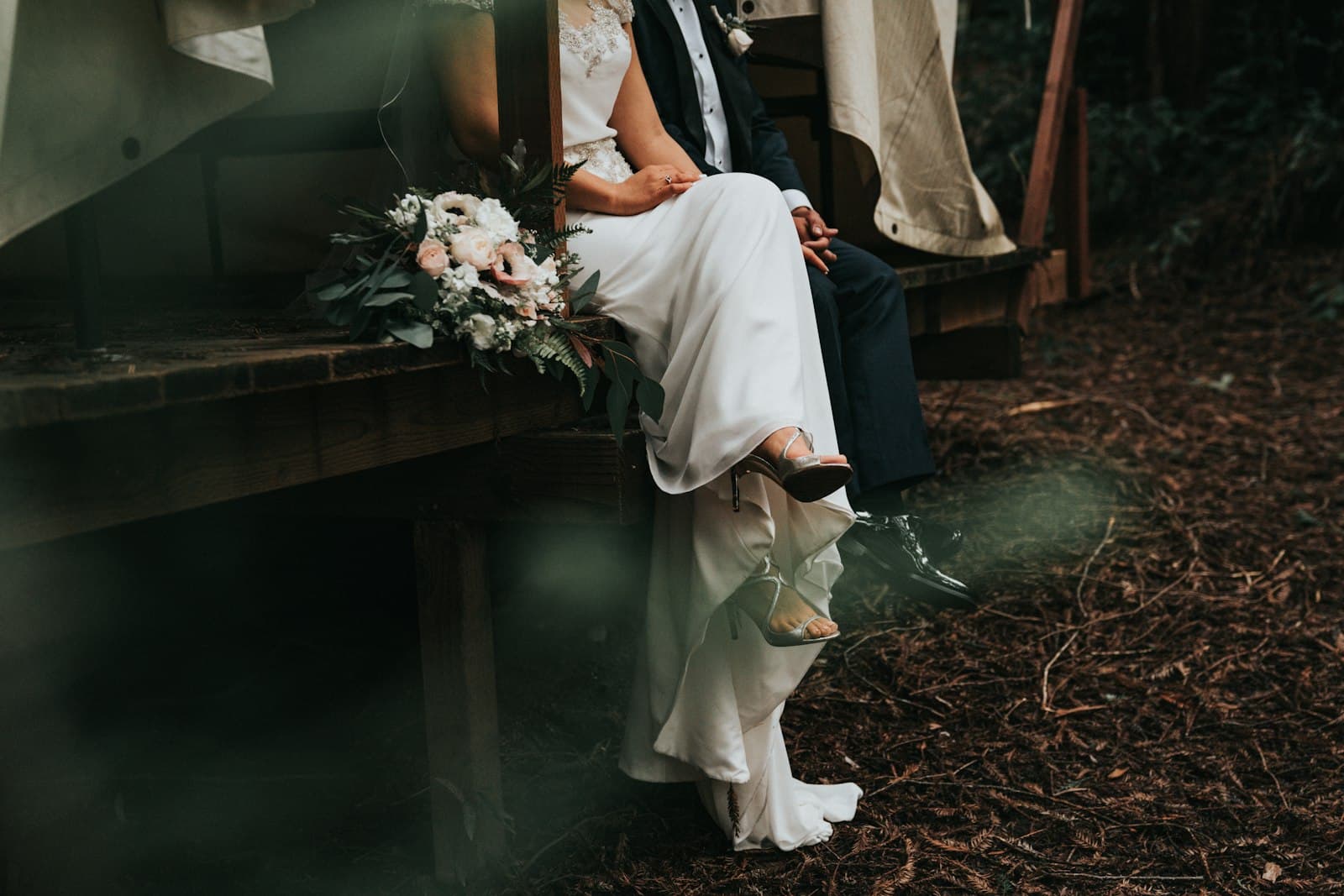
Every year tens of thousands of foreign couples choose Italy for their wedding, and not only for the scenery. Italy combines three things that rarely go together: backdrops recognisable the world over, a supplier network used to international guests, and light that — from April to October — hands you two hours of golden hour a day.
The flip side is the paperwork, the seasonal pricing and the distance. This guide collects what we actually ask couples before photographing their day: what you need to marry legally, when to do it, where, what it really costs, and how to plan the twelve months before the ceremony.
Why Italy is the destination-wedding capital
This is not just marketing: there are concrete reasons why planning is simpler here than elsewhere.
- Density of settings. Two hours by car from Lake Como puts you in Franciacorta or central Milan. No other European country packs so many different backdrops into such short radii.
- Suppliers used to foreigners. Villas, caterers and town halls in tourist areas have worked in English for twenty years and know the procedures for non-resident citizens.
- Long light. In September sunset falls around 7:30 PM: you can dine outdoors and still get golden-hour portraits between courses.
- An extended season. In Puglia, Sicily and on the Amalfi Coast people marry from April to late October; on the lakes, heated villas stretch the season further.
Civil, religious or symbolic: what actually changes
The first decision is not the venue — it is the type of ceremony, because it drives the paperwork, the lead times and often the location itself.
| Type | Legal value | Where it is held | Typical lead time |
|---|---|---|---|
| Civil | Yes, valid and recognised abroad | Town hall or authorised venue (villa, municipal garden) | Documents 2–3 months ahead; date bookable 12 months ahead |
| Catholic religious | Yes, once registered civilly (Concordat) | Church, after the parish process | 6–12 months, with a pre-marriage course |
| Symbolic | No | Anywhere: beach, vineyard, terrace | No formalities: you choose the celebrant |
The most common set-up among foreign couples is the third plus one: the legal marriage at home, the ceremony in Italy symbolic. It removes the entire bureaucratic file and leaves total freedom over place and time — which, photographically, means you can set the ceremony exactly as the light drops instead of at 11 in the morning.
Documents for foreign nationals marrying in Italy
If you choose a civil marriage with legal effect in Italy, the document pack is almost always this:
- Certificate of no impediment (nulla osta), issued by your country's consulate in Italy and — for many nationalities — legalised at the Prefecture.
- Atto notorio or sworn declaration, required of some nationalities in addition to the nulla osta.
- Valid passports and birth certificates.
- Sworn translation with apostille (Hague Convention) for every document not in Italian.
- Declaration of marriage made at the civil registry of your chosen town hall, usually a few days before the ceremony.
When to marry: season, light and prices
The season does not only decide the weather: it decides the ceremony time, because the photographer works around sunset.
| Period | Weather | Crowds | Sunset | Notes |
|---|---|---|---|---|
| April–May | Mild, some rain | Medium | ~8:15 PM | Best prices, vivid greens |
| June | Hot and dry | High | ~9:00 PM | Full high season, book 12 months out |
| July–August | Very hot | Peak | ~8:45 PM | Daytime ceremonies inadvisable in the South |
| September | Ideal | High | ~7:30 PM | Italy's most requested window |
| October | Cool, warm light | Low | ~6:15 PM | The longest golden hour of the year |
| November–March | Variable | Minimal | ~5:15 PM | Perfect for elopements and tight budgets |
One practical rule we give every couple: set the ceremony 2.5–3 hours before sunset. That puts the aperitivo in golden hour and stops the couple portraits from eating into the party. If the ceremony is at midday, budget a second twenty-minute walk-out in the evening: it is almost always the half hour that produces the best photographs.
Where to marry: seven destinations compared
| Destination | Best for | Setting |
|---|---|---|
| Lake Como | Historic villas, international guests | Formal gardens, jetties, private boats |
| Amalfi Coast | Ceremonies by the sea | Cliff terraces, lemon groves, churches over the gulf |
| Florence and Tuscany | Rural weddings and farm estates | Cypresses, hill towns, wine cellars |
| Venice | Palazzo ceremonies, winter elopements | Canals, hidden courtyards, gondolas |
| Rome | Historic civil halls, guests flying in | Rooftops, patrician villas, the baroque centre |
| Lecce and Puglia | Friendlier budgets, masserie | Olive groves, stone courtyards, sea 20 minutes away |
| Capri | Exclusive elopements | Faraglioni rocks, gardens above the drop |
If you have not chosen yet, the most useful criterion is not beauty — they are all beautiful — but how much travel you impose on your guests. A wedding where ceremony, portraits and reception sit within a ten-minute drive gives you back two hours of party and a far more continuous photographic story.
What it really costs: 2026 budgets
The figures below are indicative market ranges for a 40-guest wedding, gathered from the couples we work with. They vary enormously between Puglia and Lake Como.
| Item | Indicative range | Note |
|---|---|---|
| Venue / villa | €3,000–15,000 | Often with a minimum catering spend |
| Catering | €90–250 per guest | The heaviest single line |
| Municipal fees for the civil rite | €300–2,000 | A non-resident surcharge is common |
| Wedding planner | €3,000–8,000 | Recommended if you do not speak Italian |
| Flowers and styling | €1,500–5,000 | |
| Music / DJ | €800–2,500 | |
| Photography | from €450 | See the packages and prices |
In short: €25,000–60,000 for a full wedding with 40 guests, €3,000–8,000 for an elopement for two. Photography usually accounts for 8–12% of the total, and it is the only line item still with you the next day.
On the service side, three formats dominate: wedding reportage for the full day, the mini-wedding or elopement for intimate ceremonies, and the pre-wedding session in your dress the day before, when the light and the schedule are entirely yours.
The timeline: twelve months to the wedding
- 12 months out — choose the region and the type of ceremony. Lock the venue: villas on the lakes and the Amalfi Coast sell out September Saturdays a year ahead.
- 10 months — book the photographer and the caterer. These are the two suppliers that go first.
- 8 months — a site visit or video call with planner and photographer to set the running order around sunset.
- 6 months — send save the dates, open the international guest list, block hotel rooms nearby.
- 4 months — dress, rings, floral design. A good moment for an engagement session to get comfortable in front of a camera.
- 3 months — start the document file with the consulate and the comune. Not earlier: many certificates are valid for six months.
- 2 months — final menu, hair and make-up trial, wet-weather plan.
- 1 month — the definitive schedule for the day, shared with every supplier. Hand the photographer your family group list.
- 1 week — declaration of marriage at the town hall, if required. Hand over the details to be photographed: rings, invitations, perfume, letters.
- The day before — pre-wedding shoot or welcome dinner. This is where the most relaxed photographs of the whole weekend happen.
Seven questions to ask a photographer before signing
- Can I see a full wedding, not just the best portfolio images? A complete set says far more than ten selected frames.
- How do you work with sunset light: do you propose the timings, or follow the planner's?
- How many images do you deliver, and within what deadline? Ask for a contractual date, not "a few weeks".
- What happens if it rains? Someone who knows the area already has two backup interiors in mind.
- Are you insured, and do you have a second photographer available if something goes wrong?
- Do you speak our guests' language? On set it matters more than it sounds.
- Who holds the usage rights to the images, and how long do you keep the original files?
You will find some of those answers in our published work and in the couples' reviews; for the rest, write to us — we reply with real availability on your date.
Five mistakes we keep seeing
- A midday ceremony in August. Overhead sun, hard shadows on faces, overheated guests. Move it four hours later and everything changes.
- A venue 40 minutes from the reception. Every transfer costs an hour of party and half a photo series.
- No wet-weather plan. It rains in Italy in September too: you need a decent interior, not a last-minute marquee.
- Paperwork started too late. Nulla osta, translations and apostilles take weeks, not days.
- Portraits squeezed into ten minutes. Ask the planner for twenty protected minutes at sunset: those are the images that end up on your wall.
Before you book
Getting married in Italy is simpler than the bureaucracy suggests, provided you settle two things early: the type of ceremony and the time relative to sunset. Everything else — venue, menu, flowers — is built around those two choices.
If you already have a date, or even just a region in mind, you can check availability and get a quote with real costs for your destination. And if you are still daydreaming, read how to plan a marriage proposal at Lake Como or what to wear for a photoshoot.
Frequently asked questions
- Is a wedding held in Italy valid in my own country?
- Yes. A civil marriage celebrated at an Italian town hall is valid in every respect and recognised abroad: you receive the marriage certificate, which must be translated and apostilled to be registered at home. A symbolic ceremony, by contrast, has no legal value.
- How far in advance should the paperwork start?
- About three months. The consular nulla osta, any legalisation at the Prefecture and the sworn translations take weeks, but many certificates are only valid for six months, so starting too early means redoing them. The town-hall date itself can be booked twelve months ahead.
- Which is the best month to marry in Italy?
- September and October. Temperatures are pleasant, sunset falls between 6:15 and 7:30 PM — so the ceremony can stay in the afternoon — and October has the longest golden hour of the year, with far fewer tourists at the scenic venues.
- How much does a wedding photographer cost in Italy?
- Our services start at €450 for wedding reportage (3 hours, 120 edited photos) and at €350 for mini-weddings and elopements. Full-day coverage, a second photographer and a pre-wedding session are added as extensions during booking.
- Do I need a wedding planner for a destination wedding?
- It is not compulsory, but it is advisable if you do not speak Italian or if the group is over 30 guests: the planner coordinates suppliers, municipal formalities and the timing of the day. For an elopement for two, a photographer and a venue are almost always enough.
- What happens if it rains on the wedding day?
- The ceremony moves to the interiors agreed in your wet-weather plan during the site visit. Italian villas almost always have a historic hall you can use, and portraits under porticoes or with an umbrella are among the most beautiful: the plan just has to exist before the day itself.